Word Grid scanning strategy
Treat the board as connected neighborhoods. Corners have fewer exits, while central tiles create more branches. Start with distinctive letters or familiar endings, then trace each candidate one tile at a time before submitting it. Keep one finger or cursor on the current tile while tracing. At each step, count only the eight neighboring cells and remove any tile already used by that path. This local check prevents the eye from jumping to a matching letter elsewhere on the board.
A legal path example
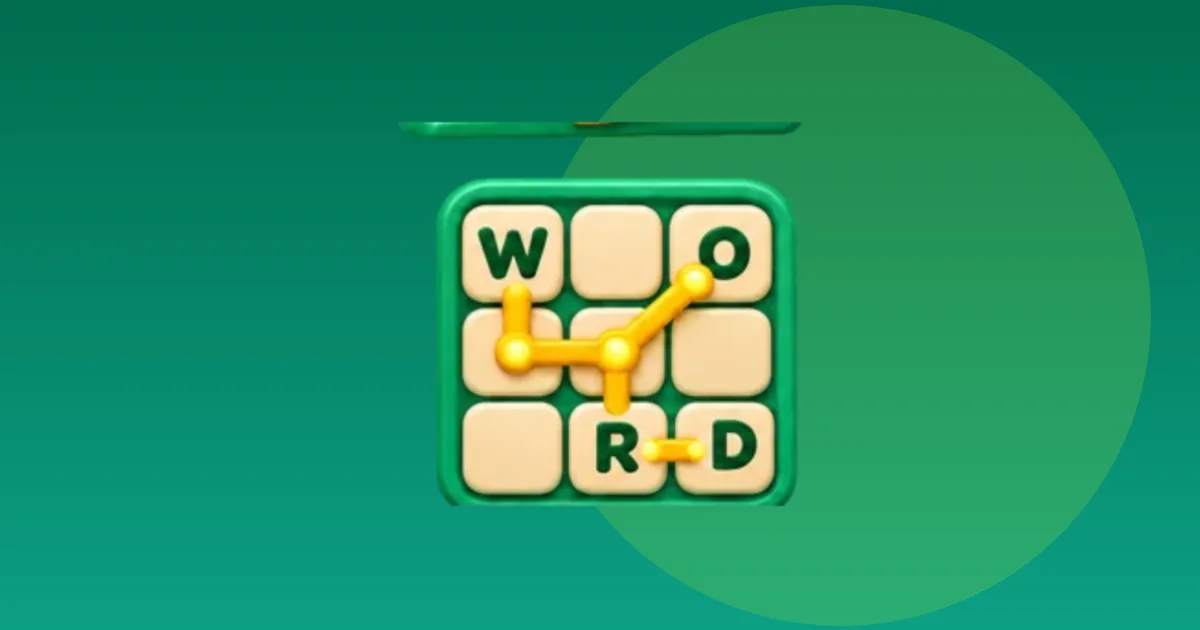
On the first board, CAT follows neighboring C, A, and T tiles. CATS adds the adjacent S without reusing a cell. A word can bend or move diagonally, but it cannot jump across a gap, wrap around an edge, or visit the same tile twice. For a repeated letter such as the two letters in BOOK, the path needs two different O cells. Reusing one tile twice is illegal even when the drawn route appears to return naturally. Marking coordinates makes repeated-letter errors visible before submission.
Diagnose a missed path
Classify the first transition you overlooked: diagonal, backward, corner turn, or repeated letter. That description is more reusable than memorizing the answer. On the next board, begin with a deliberate scan for the missed transition type. When reviewing a board, note the starting tile, direction changes, and whether the path used a corner or central junction. A missed word often reveals a search bias, such as scanning only left to right. A second pass should deliberately begin with the least-used direction.